Tag: Victoria

  • The Nelson Gold Heist – 1852

    The Nelson Gold Robbery. The World’s News, 5 Aug 1950, p. 9.

       In the early hours of Friday, 2nd April 1852, a band of villains climbed aboard the barque Nelson while moored in Melbourne’s Hobsons Bay and made off with over 8,000 ounces of pure gold, worth tens of millions of dollars in today’s money. The heist was as simple as it was audacious and ranks among the largest robberies in Australian history. Most of the thieves never saw the inside of prison, and only a fraction of the gold was ever recovered.

       The 603-ton barque Nelson had sailed from London on 4 July 1851, around the same time that prospectors discovered a vast quantity of alluvial gold near Mount Alexander. The barque dropped anchor in Hobsons Bay on 11 October, only for its captain, Walter Wright, to learn Victoria was in the midst of a gold rush.

       The Nelson disembarked its passengers and unloaded merchandise at Williamstown, then sailed across to nearby Geelong. There, the crew deserted the ship and headed off to the gold fields to try their luck, leaving just the captain and first mate behind. Over the next couple of months, the Nelson’s hold was filled with bales of wool, casks of tallow, and, most importantly to this story, 11 boxes of gold totalling 2083 ounces, all bound for London. By March 1852, the barque was once again anchored off Melbourne in Hobsons Bay, ready to return home as soon as enough men could be found to crew her.

    Ships, deserted by their crews, lying in Hobson’s Bay, By E Thomas.

       On Thursday night, 1 April, the Nelson was still anchored a short distance off the Point Gellibrand Lighthouse, along with scores of other ships stranded for lack of crew. Captain Wright was ashore for the night, leaving his chief mate, Henry Draper, in charge. With him were the second mate Carr Dudley, an officer from a neighbouring ship, plus a handful of seamen they had managed to recruit.

       Despite a fortune in gold being on board, no watch had been posted. The crew had refused Draper’s order to stand guard through the night, saying there were too few of them to do so, and besides, they had not signed on as night watchmen. All Draper could do was lock the boxes of gold in the lazarette, (a storeroom of sorts) for safekeeping. By now, the number of boxes had grown to over twenty as the captain continued to accept new consignments.

       Henry Draper, Carr Dudley, and two officers from nearby ships spent the evening playing cards and drinking. Then, sometime around 11 p.m., the card game wrapped up, and one of the visiting officers returned to his ship. Draper and Dudley tottered off to their cabin, leaving William Davis, the Royal George’s second mate, to sleep off the evening’s entertainment on the cabin’s lounge. Meanwhile, the rest of the crew had long since retired to their berths in the forecastle.

       Around two hours later, two boats carrying 22 men rowed up to the Nelson, the sound oftheir oars muffled by blankets to mask their approach. They pulled alongside, and a dozen of them, armed with pistols and swords, climbed onto the deck.

       Some went forward and secured the crew in the forecastle while the rest poured into the main cabin aft. As they swarmed onto the deck, Carr Dudley woke Draper up to tell him he thought he could hear movement above. Draper went on deck to investigate and was confronted by several well-armed men, all dressed in black with hats pulled low over their heads and handkerchiefs covering the lower portions of their faces.   

    “We’ve come for the gold,” the ringleader told Draper, “And the gold we’ll bloody well have.” Draper had gone on deck dressed only in his nightshirt and asked if he could return to his cabin to put on a pair of trousers. While he was fumbling to get dressed, a robber, still pointing a pistol at him, warned, “We’ve not come here to be played with, so make haste. ”Draper and Dudley were forced into the main cabin to join Davis, who had been rudely awoken with a gun pointed at his head. They were eventually joined by the rest of the crew brought aft from the forecastle.

    The Sun, 30 May 1948, p. 3.

       Draper was forced to unlock the lazarette, and the thieves helped themselves to 23 cedar boxes containing over 200 kilograms of gold. During the proceedings, one of the robbers’ pistols accidentally discharged, and the bullet grazed Draper’s thigh. Once the gold was loaded onto the boats, the slightly wounded Draper and the rest of the crew were locked in the lazarette. The robbers then hopped in their boats and were rowed back to shore.

       Draper and the others would have remained imprisoned in the lazarette until well into the day had they not had a minor stroke of luck. The cook had been woken by the noise of the thieves climbing on deck, and he had hidden in a dark recess under his bunk, remaining undiscovered during the robbery. He resurfaced once he saw that the robbers had left and went aft to find his shipmates locked in the lazarette. Once released, Draper wasted no time reporting the heist to the Williamstown water police office.

       Boats were sent out to scour Hobson’s Bay, but they were too late. The robbers had got away. Shortly after daylight, the water police found one of the whaleboats pulled up on the beach at Williamstown and the other across the bay near Sandridge (present day South Melbourne). Tracks were seen leading off the beach where the boat had been abandoned.   

    The police were galvanised into action. Mounted officers and constables fanned out across Melbourne looking for the robbers and the missing gold. The robbery was a severe embarrassment to the police and the colonial government, and both were widely condemned in the newspapers when it became public. The Governor offered a £250 reward, and that was matched pound for pound by the Nelson’s shipping agents.

    The Argus 3 Apr 1852, p. 5.

       The empty gold boxes were discovered by an employee of the Argus newspaper a few days later, hidden in scrubland not far from the beach at Sandridge, but most of the gold was long gone. Only some slight traces of gold dust could be seen mixed in the sand where the boxes had been busted open. Over the next several days, police rounded up anyone who looked remotely suspicious, and the watchhouses were filled to bursting.

       The police finally got a lucky break when a band of men turned up at a hotel in Geelong late one night wanting a room. They were dressed far beyond their station in life and spent their money freely. The publican alerted the Geelong police, and they were arrested a couple of days later. These seven men were detained while the police searched for evidence of their involvement in the Nelson robbery. Two more men were captured in Portland on Victoria’s western coast. Most of the individual suspects were found to possess more than £500, five times the average yearly wage at the time.

       Of these nine men, only three were found guilty of the robbery and sentenced to long terms in prison. The most compelling evidence against them was that they had been recognised by Henry Draper, or the Royal George’s second mate, William Davis. Drape and Davis claimed they recognised the robbers because their handkerchiefs had slipped down, revealing their faces. Draper and Davis also claimed they recognised two other men who likely had nothing to do with the robbery. One had a slew of witnesses testify at his trial that he had been on the gold fields at the time, but the jury did not believe them. However, he was quietly released a couple of months later when it was clear he and his witnesses had been telling the truth. The other hapless soul spent many years at hard labour for a crime he never committed.

       For years, rumours circulated around Melbourne about who might have been involved. Ongoing interest was fuelled by the fact that most of the gold was never recovered. But it remained a baffling mystery.

       Writing in the Sydney Morning Herald 30 years later, Marcus Clarke pondered some of the many rumours associated with the heist. It was often said that a gentleman of standing in Melbourne society had masterminded the robbery and paid thugs to steal the gold on his behalf. It was also rumoured that several prominent men about town had benefited financially from the robbery. Yet another rumour had it that a notorious publican had fenced the gold and then left the colony a very wealthy man. Clarke finally concluded that after the passing of so many years, the whole story would never be known.

       But was he right? Since first writing this blog post in April 2024, I have unearthed some tantalising clues that point to the identity of the brazen thieves. But more about that some other time.

    © Copyright C.J. Ison / Tales from the Quarterdeck, 2024.

    Please enter your email address below to be notified of future blogs.

  • The Foundering of the S.S. Alert – 1893

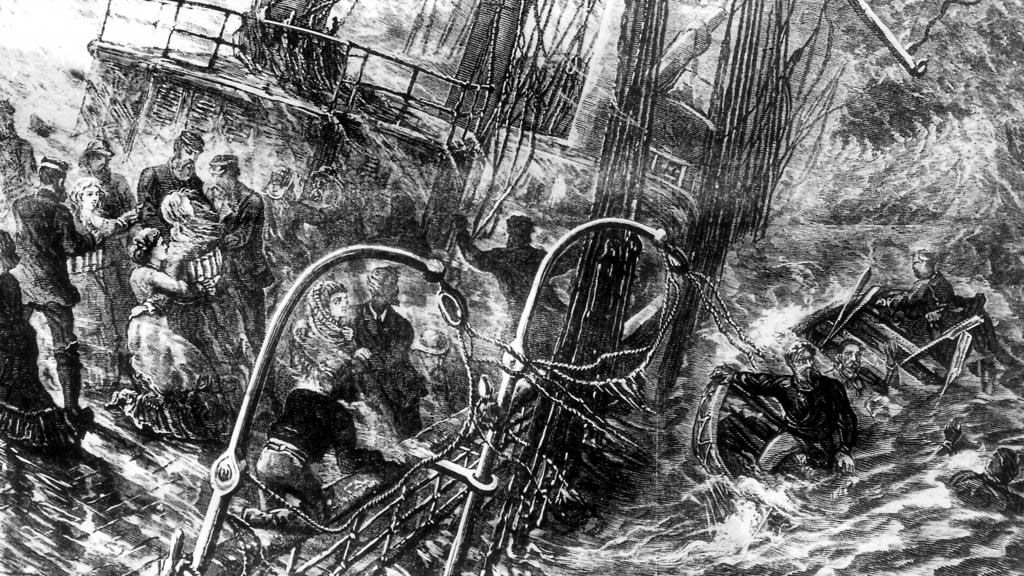
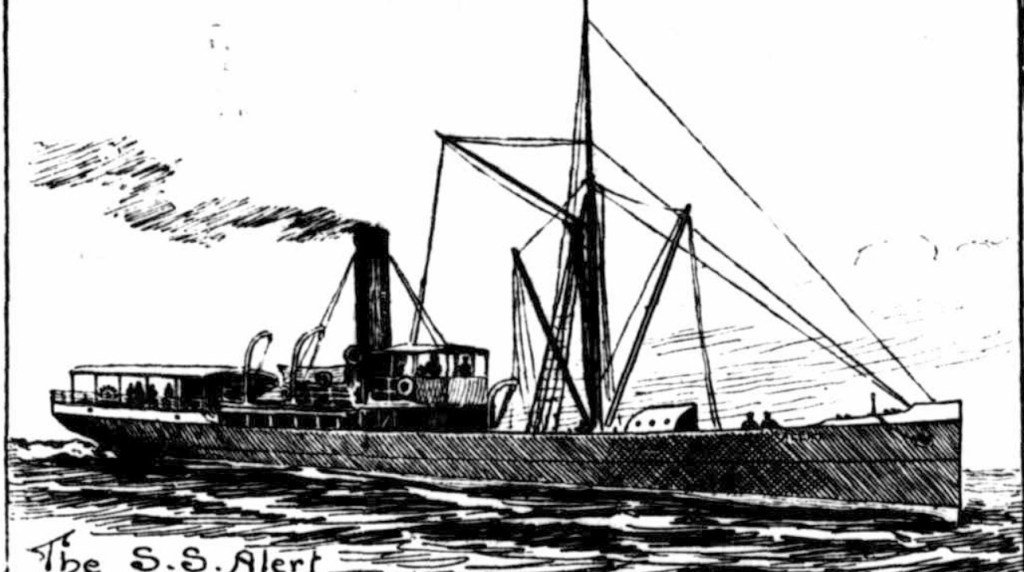
    Foundering of the SS Alert. Source: The Queenslander 13 Jan 1894, p. 71.

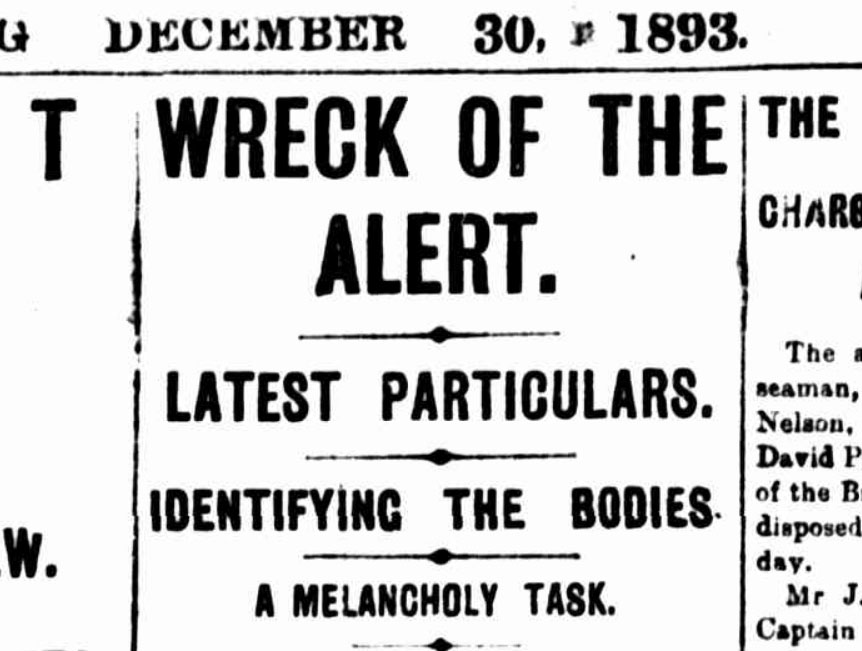
       On Friday, 29 December 1893, around 11 o’clock in the morning, two ladies were strolling along Sorrento Ocean Beach on the Mornington Peninsula when they discovered an unconscious man washed up on the sand. He would prove to be the sole survivor of the steamer Alert, which sank during foul weather.

       The SS Alert had left Bairnsdale on Victoria’s southeast coast at 4 p.m. two days earlier, bound for Port Albert and Melbourne. But a little more than 24 hours later, she would be lying at the bottom of Bass Strait off Jubilee Point.

       The Alert was a 16-year-old 243-ton iron screw steamer owned by Huddart and Parker. She had recently been refurbished and, for the past two months, had been carrying passengers and cargo between Gippsland and Melbourne. Prior to that, the Alert had been a favourite of the excursion fleet, which ferried passengers between Melbourne and Geelong.

       From the moment the little steamer cleared the Gippsland Lakes, she felt the full fury of a storm lashing the Victorian coast. Nonetheless, Captain Albert Mathieson thought the sea conditions were nothing his ship could not handle. They stopped briefly at Port Albert, 150 kilometres down the coast, to deliver some cargo and then continued on towards the entrance to Port Phillip Bay and respite from the atrocious weather.

    S.S. Alert. Source: Leader, 6 Jan 1894, p. 30.

       By 4 p.m. Thursday, they were off Cape Schanck, just 30 kilometres short of Port Phillip Bay. Owing to the trying conditions, Captain Mathieson had remained on the bridge the entire trip. Such were the conditions that it required two men at the helm to keep the steamer pointed on its course. Then disaster struck.

       About half an hour later, the Alert was struck by a massive rogue wave that swamped the deck with tons of water and pushed the steamer over onto her side. Then, they were hit by a second large wave before the water from the first had time to drain away. The saloon skylight and a porthole window were smashed, and the sea poured in. The helm was unresponsive by now, and the ship’s lee rail was pushed underwater. Another wave swept over the bridge as seawater snuffed out the struggling steamer’s engine fires.

       The captain ordered everyone to don their lifebelts as he vainly tried to head the stricken steamer into the wind, but to no avail. He ordered the lifeboats to be lowered, but one had already been swept off its davits, and the other had seas continuously sweeping over it. There was nothing anyone could do now.

    The Herald, 30 Dec 1893, p. 2.

       Robert Ponting, the ship’s cook, joined the rest of the crew on deck, and minutes later, the Alert went to the bottom. Ponting climbed onto a hatch cover, but in the turbulent seas, it kept turning over and flipping him into the water. He eventually lost hold of it altogether and began swimming. He spotted the ship’s steward nearby and kept pace with him. Ponting and the steward remained together until the poor fellow could no longer keep his head above water and drowned. Around this time, Ponting spotted Captain Mathieson swimming strongly, but lost sight of him again shortly after.   

    Ponting spent the night swimming about in the cold Bass Strait waters within view of the Cape Schanck Lighthouse. The cold water chilled him to the bone, and he eventually passed out. He continued drifting with the current, slowly pushing him towards land. Then, around daybreak, he felt himself being tumbled ashore and used the last of his strength to drag himself away from the pull of the surf. He had spent over 12 hours in the water and would spend another five or six hours passed out on the beach.

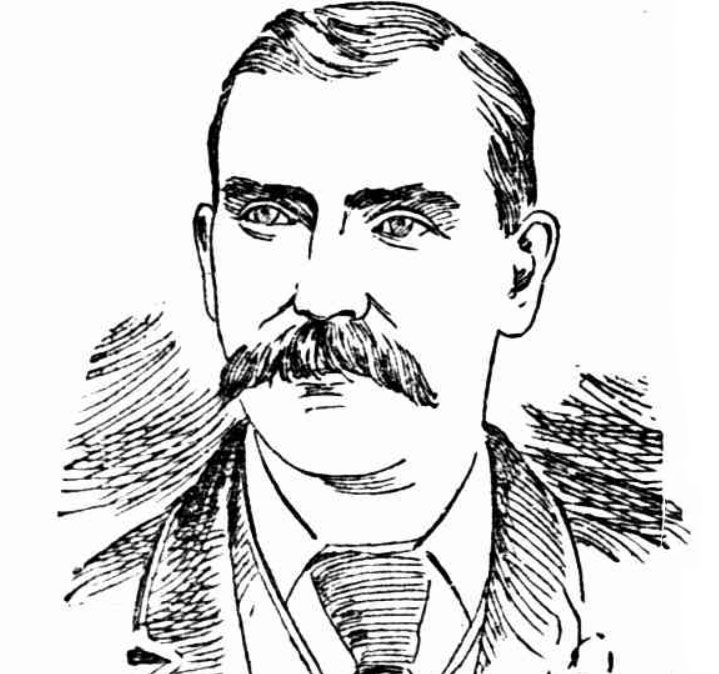
    Robert Ponting. Source. Weekly Times (Melb), 6 Jan 1894, p. 19..

       When, around 11 o’clock, he came too, he found he was surrounded by a group of ladies and a gentleman who had been walking along the beach. The first ladies to discover the unconscious man had called on the others to come to Ponting’s aid. Among his saviours was Douglas Ramsay, a doctor on holiday from his practice in Elsternwick. At first, Ramsay thought that Ponting was dead. He had tried to find a pulse but could not. and “his eyes were shut and all sanded over, his nostrils were also clogged with sand, and his body was stiff and cold,” he later recalled. The doctor didn’t give up, though. He opened Ponting’s mouth and poured some drops of brandy down his throat while vigorously working his arms “to restore animation.” After about ten minutes of this bizarre medical attention, Ponting began to show signs of life.

       Ramsay then dragged him behind a rock to shelter him from the cold wind and one of the ladies removed her jacket and wrapped it around his frozen feet. A couple of the other ladies began the long walk back to their carriage and headed to Sorrento for assistance. Meanwhile, Dr Ramsay continued with his ministrations. While they were waiting for help to arrive, another man happened on the scene while walking his giant St Bernard dog. He had his huge canine nestle up against Ponting for warmth. That, and a steady administration of medicinal brandy, brought some colour back to Ponting’s cheeks.   

    After a while, he was able to tell his rescuers his name and what had befallen him. He also asked that someone send his wife a telegram to tell her he was alive. He did not want her to think he had perished with everyone else when news of the shipwreck broke. Eventually, he was taken to the Mornington Hotel in Sorrento, where a couple of local doctors cared for him. As apparently was best practice in such cases during the late 1800s, the good doctors rubbed his entire body with mustard and poured hot brandy down his throat. In response – or perhaps despite it – Ponting made a full recovery.

    The Argus, 30 Dec 1893, p. 7.

       Over the next couple of days, several bodies and much wreckage washed up on Mornington Peninsula’s rugged ocean beaches. In all, 14 men lost their lives: 11 crew and three passengers. Robert Ponting was the only one to survive the catastrophe.

       A marine board inquiry concluded that the Alert had insufficient ballast for the prevailing sea conditions, which had made her ride higher in the water and less stable on her final voyage. The board also felt that Captain Mathieson should have found shelter in Western Port rather than continue down the coast to Port Phillip Bay. It chose not to give an opinion on the captain’s handling of the vessel in its final minutes due to insufficient evidence.

    © Copyright C.J. Ison / Tales from the Quarterdeck, 2024.

    Please enter your email address below to be notified of future blogs.
  • The 1878 Loch Ard Tragedy

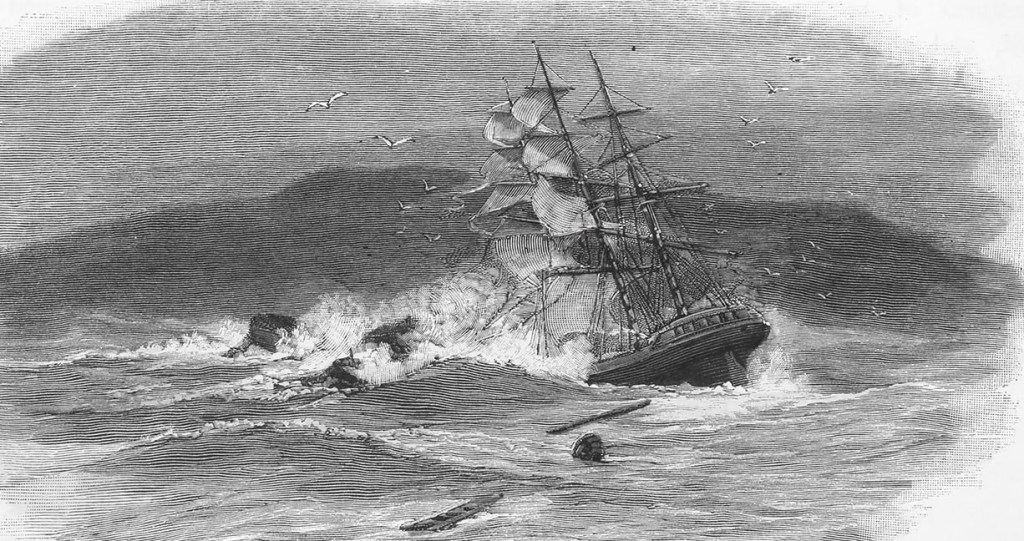
    “The Wreck of the Loch Ard near Sherbrook River.” Source: Illustrated Australian News, 8 July 1878, p. 20.

       In early June 1878, the Scottish merchant ship Loch Ard was expected to arrive in Port Phillip Bay at any time. But that was not to be. News soon reached Melbourne that the ship had been wrecked near the Sherbrook River, some 50 kilometres west of Cape Otway, with a fearsome loss of life.

       The Loch Ard was a 1623-ton fully rigged sailing ship belonging to the Glasgow General Shipping Company. But she proved to be an unlucky vessel. On her maiden voyage, she was twice dismasted. The first time it happened was shortly after she departed Glasgow on a voyage to Melbourne in December 1873. She was struck by a powerful storm and had to return to port to undergo a refit. She then set sail again in January the following year. This time, as she was crossing the Southern Ocean, she lost all three masts and nearly foundered during a ferocious storm. The resourceful captain was able to set jury-rigged masts from spare spars and limp the rest of the way to Melbourne.

       On this most recent voyage, the Loch Ard sailed from London on 27 February 1878 under the command of Captain George Gibbs with around 25 to 30 crew, 17 passengers and over 3,000 tons of cargo. But as she neared the end of her voyage, the weather closed in on that most dangerous stretch of Victoria’s coastline.

    The Loch Ard. By Allan C. Green – State Library of Victoria.

       The weather became squally, and the sky remained overcast for several days, preventing Captain Gibbs from making any observations as his ship ran before the wind under close-reefed topsails. Sailing instructions warned mariners to remain far out to sea until they had passed Cape Otway before making the final approach to the entrance to Port Phillip Bay. Unfortunately, Captain Gibbs was sailing blind and was unaware of how much danger he and his ship were in until it was too late.

       Around 4 a.m. on 1 June, the lookout spotted white-capped waves breaking over a reef half a nautical mile (one kilometre) ahead. Gibbs ordered the ship to be put about, but the wind continued to push them towards danger. He then ordered both anchors to be let go, but they did not hold, and the ship continued towards the jagged fangs of the reef and the towering cliffs beyond.

       When they were just 150 metres from the rocks, Captain Gibbs ordered the anchors to be slipped, and he tried to put on more sail, hoping he might veer the ship back out to sea. But it was far too late. The crew had only managed to set the mainsail when the Loch Ard crashed into the rocks on her starboard quarter. The topmast went over the side, taking two seamen with it. Meanwhile, Gibbs ordered the lifeboats to be readied for the evacuation of the women. But by now, successive waves were crashing onto the deck and sweeping it clean.

    “The rescue of Miss Carmichael” Source: Illustrated Adelaide News, 1 Aug 1878, p. 13.

       Midshipman Thomas Pearce and several other seamen had tried getting one of the lifeboats over the side to begin taking on passengers when it was washed into the swirling seas. Meanwhile, the captain and several sailors were struggling to free another boat from a tangle of fallen rigging. Then, a massive wave lifted the Loch Ard off the reef, and she sank in deep water, spilling everyone into the turbulent seas.

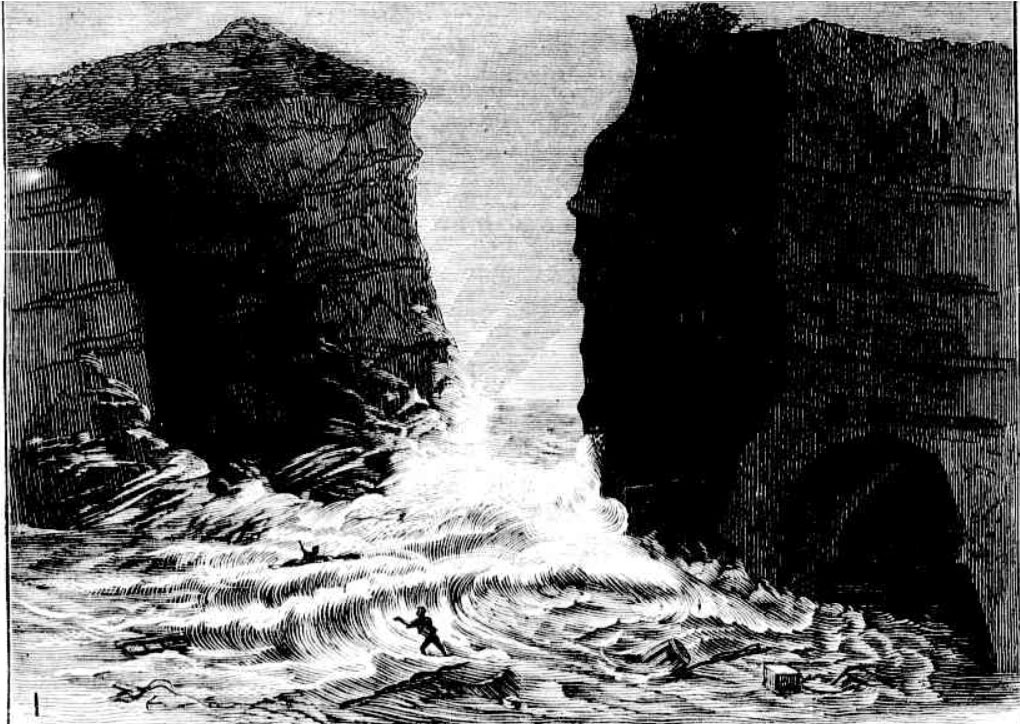
       Pearce managed to cling to his upturned boat, but he never saw any of his shipmates again. By now, it was daylight, and he saw he was drifting towards a small bay. Once in the bay, he left the boat and began swimming towards shore. Then he found an upturned table and climbed onto it. He washed up onto a small sandy beach with all manner of crates, driftwood, and other debris from the wreck. After taking some time to recover his strength, Pearce searched the small bay to see if anyone else had survived. Just then, he heard a cry for help coming from the water. He then spotted a woman clinging to a spar bout 50 metres out in the bay.    He swam out, dragged her ashore, and the pair took shelter in a shallow cave. The young lady was 19-year-old Eva, the eldest daughter of the ship’s surgeon, Dr Carmichael. His wife and three children had accompanied him on the voyage, for they had intended to settle in Victoria.

    Miss Carmichael and Thomas Pearce. Source: The Illustrated Adelaide News, 1 Aug 1878, p. 13.

       After rescuing Eva, Pearce collapsed beside her from sheer exhaustion and slept. He felt somewhat recovered when he woke and turned his mind to scaling the high cliffs surrounding the bay so he could go and find help. He eventually found a route up and then a well-trodden path and began following it. After walking several kilometres, he came upon a shepherd tending to a flock of sheep. Pearce asked him to send for help while he returned to the bay to let Eva know assistance was on the way.

       However, when he returned to the cave, he found Eva was gone. Pearce searched the area but was unable to see her. When help arrived, the search continued. And then, just as night was falling, a faint cry was heard coming from behind a bush. There, they found Eva, barely conscious. She was hauled up the cliff face with the aid of a rope, where a carriage was waiting to whisk her away.

    The cave and wreckage strewn on the beach. Source: Australasian Sketcher, 6 July 1878, p. 11.

       Eva Carmichael and Thomas Pearce were the only survivors from the Loch Ard. The young midshipman had the unenviable task of identifying the remains of several bruised and battered bodies that washed up in the next few days.   

    Among the tons of debris washed ashore was one particularly well-constructed crate that contained a large porcelain peacock. It had been manufactured by Minton and had been sent out on the ship to be displayed at the upcoming 1880 Melbourne International Exhibition. It had survived the wreck without so much as a chip of damage. It and other relics from the Loch Ard are now on display at Warrnambool’s Flagstaff Hill Maritime Museum. The small bay where Thomas Pearce and Eva Carmichael made it ashore is now named Loch Ard Gorge.

    © Copyright C.J. Ison / Tales from the Quarterdeck, 2023.

    Please enter your email address below to be notified of future blogs.
  • The Cataraqui: Australia’s deadliest shipwreck – 1845.

    Cataraqui wrecked off King Island in Bass Strait. Image courtesy State Library of Victoria.

        Australia’s worst shipwreck occurred off King Island on 4 August 1845. The 803-ton barque Cataraqui, carrying 409 people, slammed into rocks during foul weather. Only nine people made it ashore alive.

       The Cataraqui sailed from Liverpool on 20 April, carrying 366 assisted migrants who were escaping poverty in England, and hoping to make a better life for themselves in Australia. Many of the passengers were women and children accompanying their menfolk, who had been guaranteed employment in the labour-strapped colonies.

       The voyage had largely been uneventful until they were passing to the south of St Paul’s Island about halfway between the Cape of Good Hope and Australia’s west coast. On 15 July, the ship was struck by powerful winds and mountainous seas. For the next fortnight, there was no respite from the atrocious weather, as they steadily pushed east along the 40th parallel. They are not called the “Roaring Forties” for nothing.   

    By Sunday, 3 August, the Cataraqui was only one or two days’ sailing away from Melbourne and still the strong winds and high seas had not abated. At 7 p.m., Captain Charles Finlay estimated their position at 39° 17’S 141° 22’E or about 100 kilometres south of Cape Nelson on the Victorian coast. By 3 o’clock the next morning, the wind had begun to ease, and Captain Finlay bore northeast, expecting the distinctive profile of Cape Otway to come into view off his port bow. That would have given Finlay his first accurate position since passing St Paul.

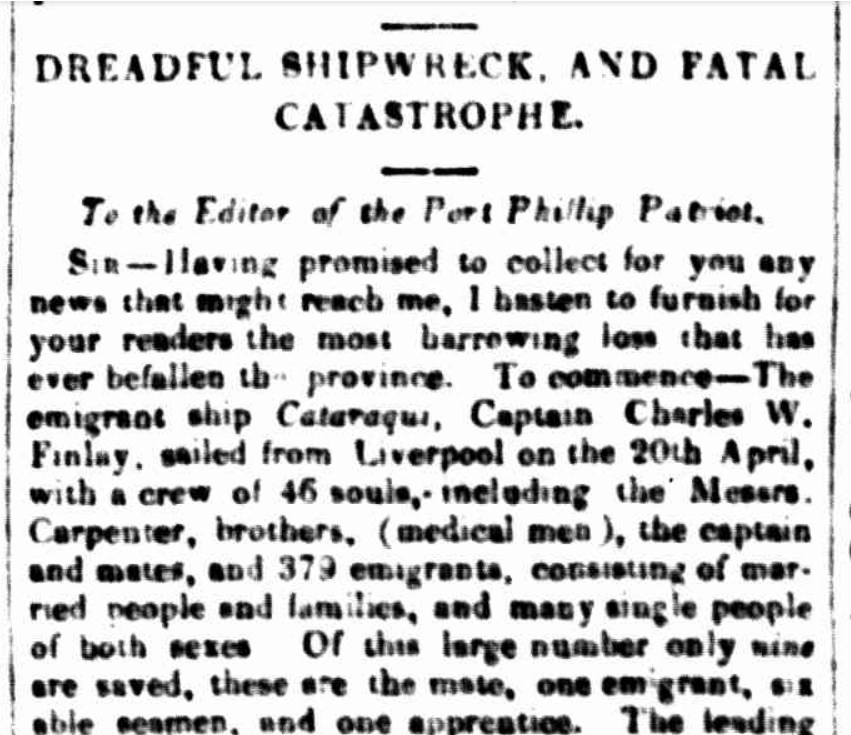
    Report of the loss of the Cataraqui. Source: Port Phillip Patriot, 14 Sept 1845, p. 5.

       Unfortunately, the strong winds had pushed the Cataraqui along faster than he had calculated. Unbeknown to him, his ship was further east and further south than he realised. So, rather than making towards Cape Otway with deep water ahead, the ship was heading towards the rugged west coast of King Island, hidden behind a blanket of thick weather and inky darkness.

       At 4.30 a.m., the ship struck rocks near Fitzmaurice Bay. First Mate Thomas Guthrie provides a harrowing account of those first few hours, which was published in the Port Phillip Patriot on 14 September 1845.

       “Imagine 425 [actually 409] souls,” he began, “of which the greater part were women and children, being suddenly awakened from a sound sleep by the crashing of the timbers of the ship against the rocks. The scene was dreadful, the sea pouring over the vessel—the planks and timbers crashing and breaking—the waters rushing in from below, and pouring down from above—the raging of the wind in the rigging and the boiling and hissing of the sea—joined to the dreadful shrieks of the females and children, who were drowning between decks.”

       “The attempts of so many at once to get up the hatchways blocked them up, so that few got on deck uninjured, and when there, the roaring noise, and sweeping force of the sea was most appalling. Death stared them in the face in many forms— for it was not simply drowning, but violent dashing against the rocks which studded the waves between the vessel and the shore.”   

    “When day broke, they trusted to find a way to the shore, but no, the raging waves and pointed rocks rendered every attempt useless. The sea broke over the vessel very heavily, and soon swept away the long boat and almost everything on deck.”

    Cataraqui wreck site. Courtesy Google Maps

       In those few desperate hours, it was estimated that some 200 people lost their lives. Another 200 were faced with the stark reality that, even though the land was tantalisingly close, there was no safe way to reach it. The ship had struck a rocky reef running parallel with and a short distance from the coast. Captain Finlay ordered the masts cut away. He hoped the powerful waves might then carry the lightened ship over the rocks and closer to shore, where the survivors might stand some chance of reaching land. Unfortunately, it had no effect. The ship remained firmly stuck on the jagged rocks. Finlay then tried floating a buoy ashore, but the rope became entangled in kelp long before it could be used as a lifeline.

       Around mid-morning, Captain Finlay ordered their only surviving boat over the side. He, the boatswain, the ship’s surgeon and four seamen set off in her in a desperate attempt to get a line ashore. However, the boat overturned in the tumultuous seas. Finlay was the only one to make it back to the ship alive.

       At midday, the Cataraqui broke amidships and the aft sank, taking about 100 terrified people with it. By now, there were only 90 people still clinging to the wreckage. By midnight, 12 hours later, they were down to 50. Overcome by fatigue and the freezing cold, one survivor after another dropped from the wreck into the raging sea.

       Thomas Guthrie clung on for as long as he could. But then he was finally swept from the last vestige of the wreck as it sank below the surface. Somehow, he avoided being dashed against the rocks, and the surf deposited him on the beach to join eight other survivors. One was Solomon Brown, a 30-year-old labourer who had joined the ship with his wife and four daughters. He was the only passenger to make it off the ship alive. The other seven, like Guthrie, were members of the crew.

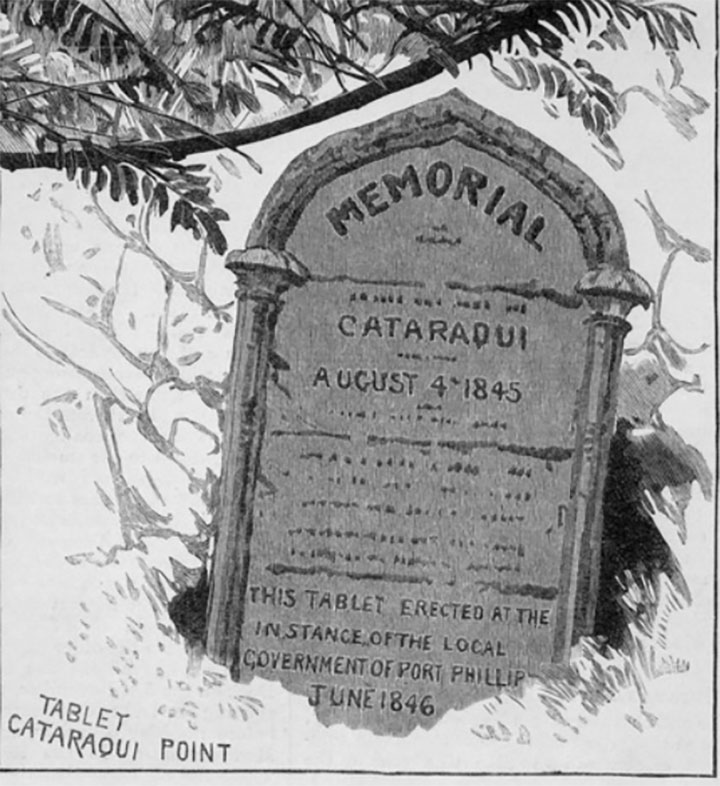
    Memorial to the Cataraqui shipwreck on King Island. Source: Australasian Sketcher, 29 Dec 1887, p. 197.

       The next day, on 6 August, the survivors were discovered by a party of sealers. Likely alerted by the debris being washed ashore near their camp, they had gone to investigate. Finding the nine survivors in a desperate state, the sealers built a shelter for them, started a fire, and fed them with provisions brought over from their own camp. Guthrie and the other Cataraqui survivors stayed with the sealers for four weeks. On 7 September, the cutter Midge arrived with fresh provisions. When she returned to Melbourne with a cargo of seal and wallaby skins, the survivors went with her.

    © Copyright C.J. Ison / Tales from the Quarterdeck, 2023.

    To be notified of future blogs, please enter your email address below.

  • The Plague Ship Ticonderoga

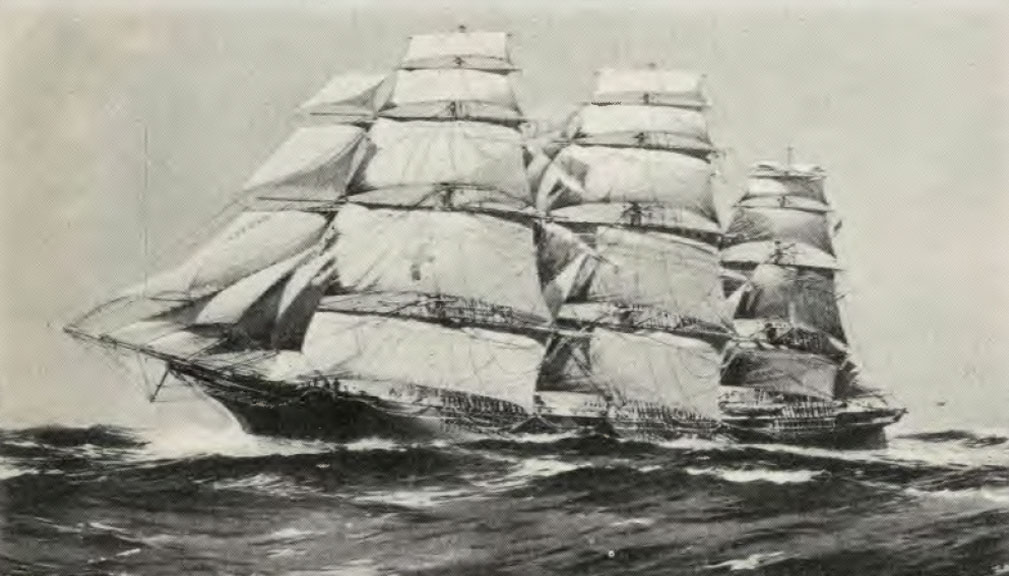
    Example of an American Clipper similar to the Ticonderoga.

    In November 1852 a migrant ship dropped anchor in Port Phillip Bay with some 700 passengers, many of them gravely ill.   The 1,200-ton American Clipper Ticonderoga had been chartered to bring immigrants out to start a new life in Australia, but the three-month journey to their new home proved a nightmare for many of the mostly Scottish passengers.  

    Victoria was experiencing a labour shortage and had started offering assisted passage for workers to come and settle in the colony.   Most of the passengers comprised of farmhands and their young families.  But, not surprisingly, there was an incentive to get the most people out at the lowest cost to the Government.

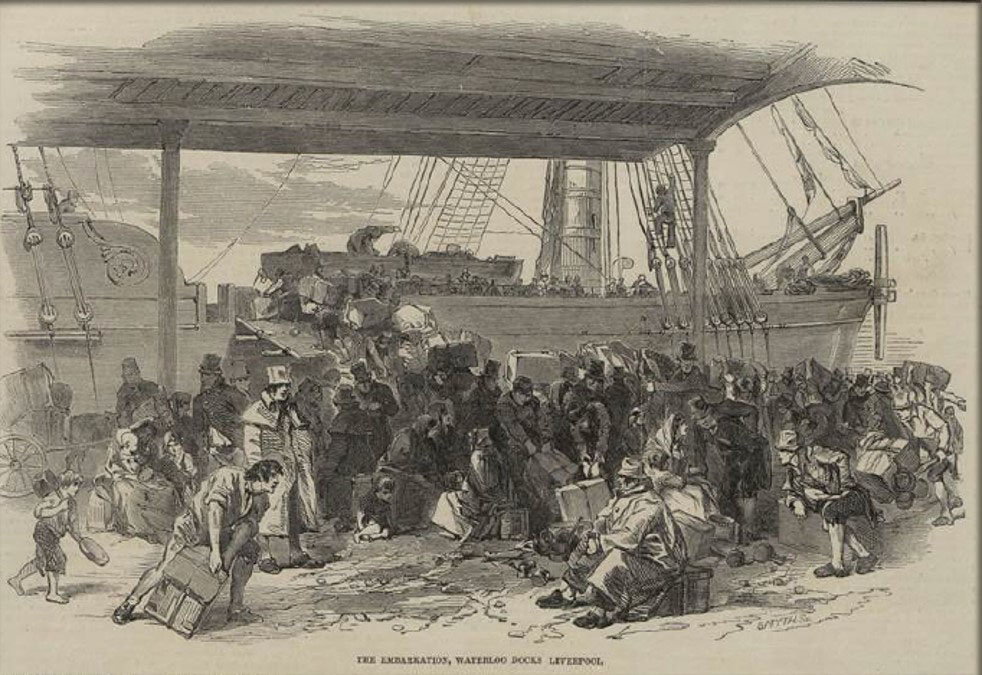
    When the Ticonderoga left Liverpool she was overcrowded, even by the standards of Victorian England.    Not long into the voyage passengers, many of them young children, started developing a red rash, high fever and sore throat.   At the time the disease was sometimes called scarlet fever or Scarlatina, but it is generally thought today that it was Typhus that wreaked so much havoc on the passengers.    Easily treated with antibiotics today, it had a devastating effect on those trapped onboard the ship.

    The Embarkation, Waterloo Docks. Illustrated London News, 6 July 1850.

    It was impossible to separate the sick from the healthy passengers in the overcrowded, poorly ventilated and unsanitary passenger accommodation spread across two decks.    Consequently, the disease spread unchecked.  

    Passengers died in such numbers that as many as ten would be bundled together into a sheet of canvas for burial at sea.   By the time they reached the port city of Melbourne more than 100 people had lost their lives.   Another 150 were sick and in desperate need of medical attention, for they had long run out of medical comforts and the ship’s surgeon had been felled by the disease while attending to his patients. Many of those, 82 to be precise, died in the days and weeks that followed.

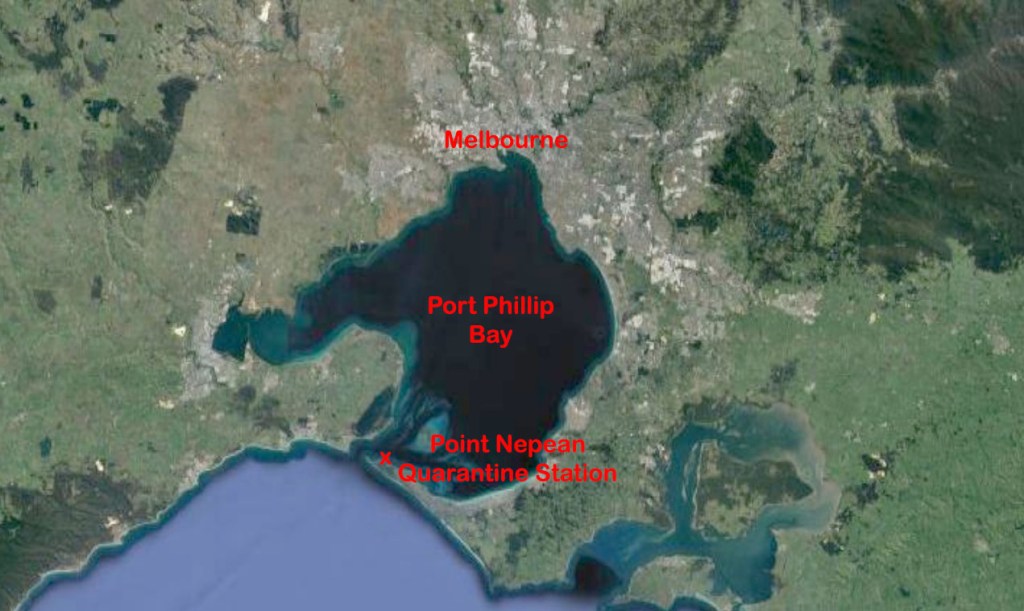
    Port Phillip Bay. Source: Google Maps.

    The passengers and crew were quarantined at Point Nepean just inside the Port Phillip Bay heads for the newly formed Victorian Government had already earmarked a parcel of land there to build a quarantine station.   Tents were hastily erected using spars and ship’s sails and two nearby houses owned by lime burners were used as makeshift hospitals and staffed with medical men brought out from Melbourne.   A ship was also dispatched to the Quarantine Station to serve as a hospital for the more serious cases.   

    The quick response contained the highly infectious disease and kept it from spreading to the general population.   By January 1853 the epidemic had run its course.   The surviving passengers were taken to Melbourne and the Ticonderoga was released to go on its way but not before being thoroughly fumigated. 

    Empire, 15 Nov 1852 Page 2.

    The Emigration Commissioners who had chartered the ship in the first place were roundly condemned for allowing so many migrants, especially families with young children, to be sent out in such unhealthy conditions.    The Ticonderoga was just the last and worst of several recent migrant ships coming to Australia to suffer such an appalling loss of life.    

    Between the Bourneuf, the Wanota, Marco Polo, and Ticonderoga, 279 passengers had died at sea as a result of infectious diseases on the passage out to Melbourne.    The lesson was learned and future migrant ships were reduced to carrying no more than 350 passengers.

    © Copyright C.J. Ison / Tales from the Quarterdeck, 2022.

    To be notified of future blogs, please enter your email address below.