Tag: Centaur

  • Tales from the Quarterdeck

    Sixty bite-sized stories from Australia’s maritime past

    The melancholy loss of H.M.S Sirius off Norfolk Island by George. Raper. Source National Library of Australia 136507434-1

    I have just launched a new book titled Tales from the Quarterdeck: Sixty bite-sized stories from Australia’s maritime past. Sixty of the most popular posts have been reedited. In some cases, I’ve rewritten a couple and updated a few where new information has come to light since first writing them.

    For those who would value ready access to the stories in their bookcase, Tales from the Quarterdeck is available in Kindle ebook and paperback formats through Amazon.

    The stories are organised in chronological order, starting with the Tryall shipwreck off the Western Australian coast in 1622, and finishing with the Second World War exploits of the Krait. See below for a full list of the stories covered in the book.
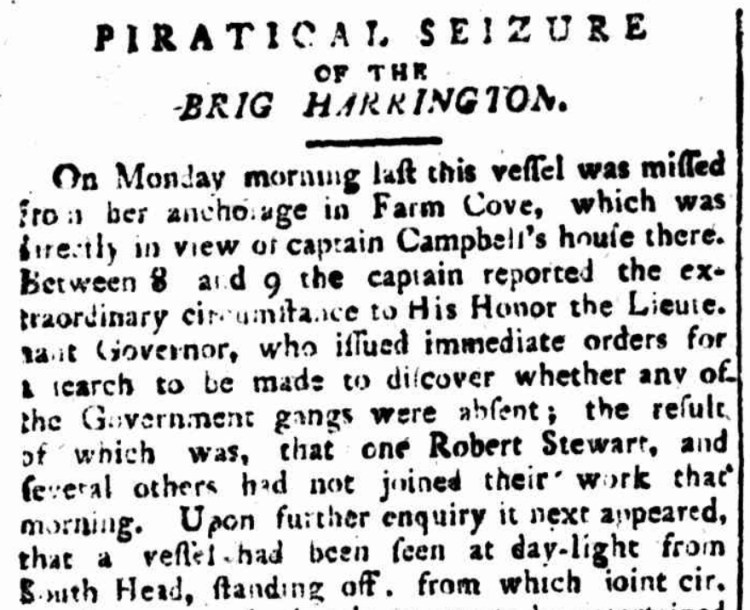
    Sydney Gazette 22 May 1808, p. 2.

    1622 – The Tryall: Australia’s earliest shipwreck

    1629 – The Batavia Tragedy

    1688 – William Dampier: Navigator, naturalist, writer, pirate

    1770  – The Endeavour’s Crappy Repair

    1788 – Loss of La Astrolabe and La Boussole, a 40-Year Mystery                        

    1789 – Bligh’s Epic Voyage to Timor

    1789 – HMS Guardian: All Hands to the Pumps

    1790 – The Loss of HMS Sirius

    1790 – Sydney’s First Desperate Escape

    1791 – HMS Pandora: Queensland’s earliest recorded Shipwreck

    1791 – William Bryant’s Great Escape

    1797 – The Loss of the Sydney Cove

    1803 – Loss of HMS Porpoise

    1808 – Robert Stewart and the Seizure of the Harrington

    1814 – Wreck of the Morning Star

    1816 – The Life and Loss of HMSC Mermaid

    1824 – The Brig Amity’s Amazing Career

    1829 – The Cyprus mutiny 

    1831 – The Caledonia’s perilous last voyage

    1833 – The Badger’s Textbook Escape

    1835 – The Loss of the Convict Ship Neva

    1835 – The Post Office in the middle of nowhere

    1835 – The Tragic Loss of George III

    1845 – The Cataraqui: Australia’s worst shipwreck

    1846 – The Peruvian’s Lone Survivor

    1847 – The Foundering of the Sovereign

    1850 – The Loss of the Enchantress: A first-hand account

    1851 – The Countess of Minto’s brush with Disaster

    1852 – The Bourneuf’s Tragic Last Voyage

    1852 – The Nelson Gold Heist

    Woodbury, Walter B. (Walter Bentley), 1834-1885. Hamlet’s Ghost, Sourabaya [Surabaya], Java [Boat with Passengers and Crew], ca. 1865. Walter B. Woodbury Photograph Collection (PH 003). Special Collections and University Archives, University of Massachusetts Amherst Libraries

    1854 – Bato to the Rescue 

    1854 – HMS Torch and the rescue of the Ningpo

    1856 – The Loss of the Duroc and the Rise of La Deliverance

    1858 – The Loss of the Saint Paul and its Horrific Aftermath

    1858 – Narcisse Pelletier, An Extraordinary Tale of Survival

    1859 – The Indian Queen’s Icy Encounter

    1859 – The Sapphire and Marina

    1863 – The loss of the Grafton: Marooned for twenty months

    1864 – The Invercauld shipwreck

    1865 – The CSS Shenandoah: Victoria’s link to the American Civil War

    1866 – The Loss of the SS Cawarra: Bad luck or an avoidable tragedy?

    1868 – The Bogus Count and Hamlet’s Ghost

    1871 – The Mystery of the Peri

    1872 – The Loss of the Maria, A Cautionary Tale

    1875 – The Tragedy behind the Gothenburg Medals

    1876 – The Catalpa rescue

    1876 – The Banshee’s Terrible Loss

    1878 – The Loch Ard Tragedy

    1884 – The Macabre case of the Mignonette

    1885 – The Douro and its Piratical Captain

    1889 – The Windjammer Grace Harwar

    1891 – The Spanish Silver of Torres Strait

    1893 – The Foundering of the SS Alert

    1895 – The Norna and the Conman Commodore

    1899 – Cyclone Mahina

    1911 – The Loss of the Mandalay

    1918 – The Orete’s Robinson Crusoe-like Castaway

    1935 – The Life and Loss of  the SS Maheno

    1943 – Surviving the Centaur Sinking

    1943 – The Amazing Krait

  • Queensland’s Ten Worst Maritime Disasters

    The wreck of the Steamer Gothenburg. Source: Australasian Sketcher, 20 Mar 1875, p. 13.

    TEN: SOVEREIGN, 1847.

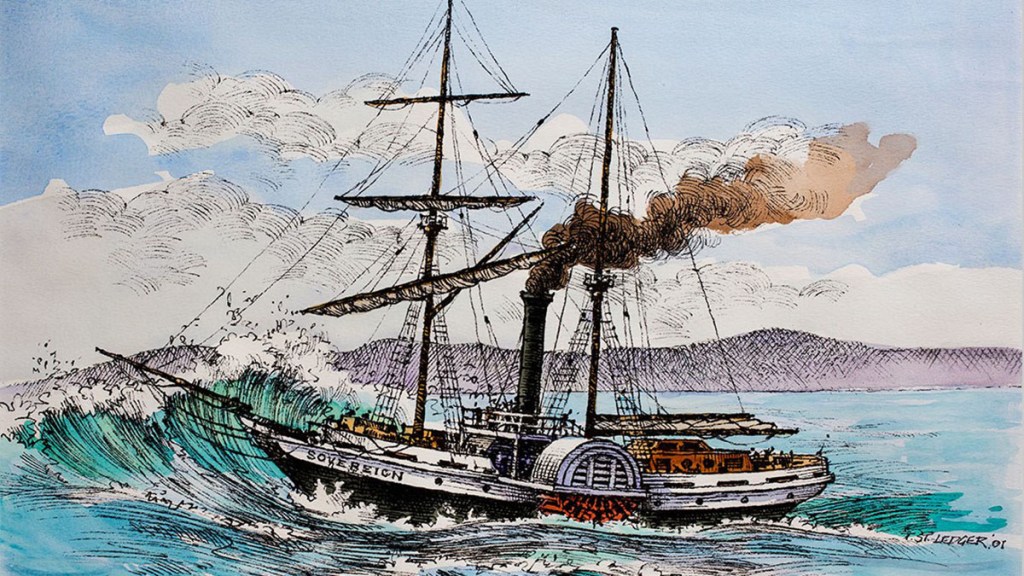
    The Sovereign. Image courtesy Stradbroke Island Heritage Museum.

    The paddle steamer Sovereign, with 54 persons on board, sailed from Moreton Bay via the southern channel on 11 March 1847.   As she ploughed through the large swells funnelled into the passage between Moreton and Stradbroke Islands, her engines failed at a critical moment.      The force of the breaking waves quickly drove her onto a sand spit projecting from the southern point of Moreton Island, where she broke up.    Forty-four people lost their lives.   The owners of the vessel would later claim the engines had been working fine and blamed the captain for the loss.     

    NINE: MERSEY, 1804.

    On 24 May 1804, the 350-ton merchant ship Mersey sailed from Sydney bound for Bengal, India, via Torres Strait.     In mid-June she was wrecked while trying to negotiate the dangerous waters of Torres Strait.   Neither the location or the circumstances of the tragedy are known, other than the captain and either 12 or 17 of the crew took to the longboat and made it safely to Timor Island to report the loss.   She reportedly sailed with 73 hands which means 56 or 61 people lost their lives.

    EIGHT: PERI, 1871.

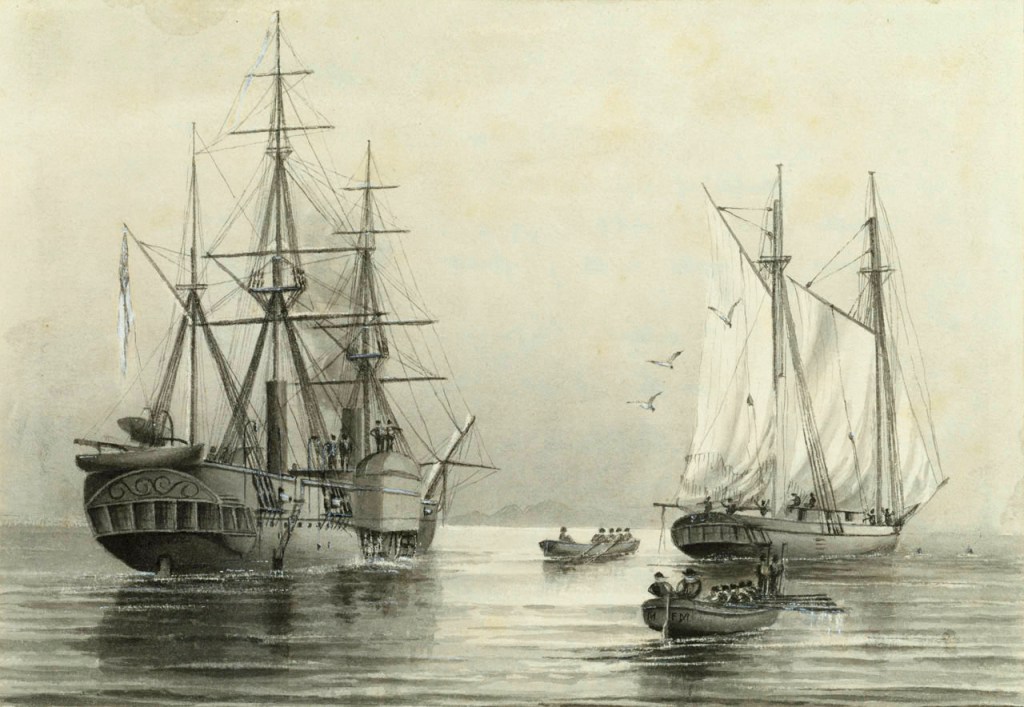
    HMS Basilisk and the Peri. Image Courtesy the British National Maritime Museum, Greenwich.

    In early February 1871 HMS Basilisk discovered a schooner, later identified as the Peri, adrift and seemingly abandoned a short distance off the Queensland near Cardwell.   When a boat was sent across to investigate, they discovered 14 emaciated Solomon Islanders, three corpses, no food or fresh water and five feet of putrid seawater in the hold. The Peri had last been seen about six weeks earlier in Fiji carrying around 80 or 90 blackbirded Islanders bound for Fijian cotton plantations.   It seems that the Islanders had overpowered their kidnappers and taken control of the schooner.   They then sailed or drifted west across almost 3,000 km of open ocean, withstood at least one severe tropical storm, and passed through a gap in the Great Barrier Reef before being found.      As many as 75 people likely died during the ordeal.

    Map showing 10 worst maritime disasters off Queensland. Courtesy Google Maps

    SEVEN: SYBIL, 1902.

    The labour schooner Sybil disappeared sometime after leaving the Solomon Islands on 19 April 1902 bound for Townsville with a fresh batch of South Seas labourers.    By August, grave fears were held for the Sybil, for the voyage should not have taken more than two or three weeks.    Searches were made of the islands along the outer Great Barrier Reef and in the Coral Sea but no trace of the vessel or any of those on board were found.   She had a crew of 12 and on the previous two voyages, she had carried 90 and 98 labour recruits, so it is thought no less than 100 lives were lost.

    SIX: GOTHENBURG, 1875

    Gothenburg. Photo Courtesy SLQ

    The steamer Gothenburg sailed from Darwin on 17 February 1875 bound for Adelaide via Australia’s east coast.   On 24 February the Gothenburg was steaming down the coast in the vicinity of Cape Bowling Green.   Bad weather meant they could not see the regular landmarks to aid their navigation. The captain was unaware strong currents were pushing the ship towards the Great Barrier Reef until it was too late. The Gothenburg ran aground on Old Reef.   The ship and all aboard her would likely have been saved but for a powerful cyclone bearing down on them.   As the storm worsened, the captain ordered the evacuation of the passengers, but as the women and children were being loaded into the lifeboats a succession of huge waves swept over the ship.    Only 22 people survived.  As many as 112 passengers and crew lost their lives.  

    FIVE: YONGALA, 1911

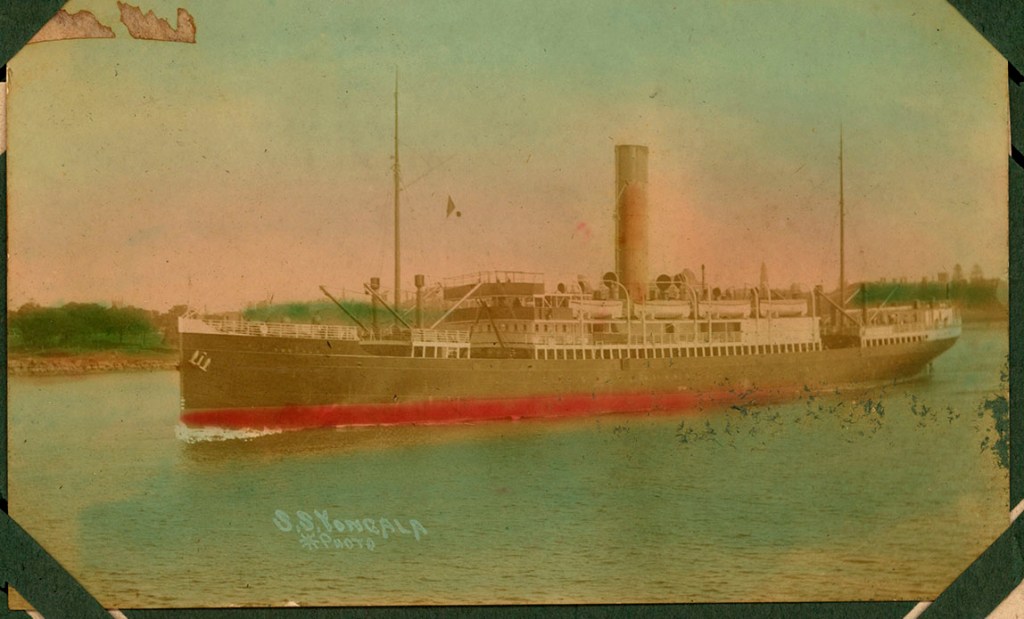
    S.S. Yongala. Photo Courtesy SLQ.

    The Yongala sank during a tropical cyclone near Cape Bowling Green on 11 March 1911 with the loss of all 122 people on board.    When the ship failed to arrive in Townsville as scheduled, concerns were raised.   Then, wreckage began washing ashore along the coast as far away as Hinchinbrook Island.   However, there was no sign of the ship or any hint as to where she might have sunk.   Nearly half a century would pass before the final resting place of the Yongala was conclusively located. 

    FOUR: QUETTA, 1890

    RMS Quetta. Photo courtesy SLQ

    While the Mail Steamer Quetta was steaming through Torres Strait on the night of 28 February 1890, it struck an uncharted rock pinnacle as it passed Adolphus Island.   The Quetta had departed from Brisbane bound for London carrying nearly 300 people comprising the passengers and crew when disaster struck.   The collision tore a gaping hole in the hull from bow to amidship, and the ship sank in just three minutes.    One hundred people made it safely to Little Adolphus Island where they were later rescued.   Dozens more were pulled from the water the following day.    133 people lost their lives in the tragedy.

    THREE: AHS CENTAUR, 1943

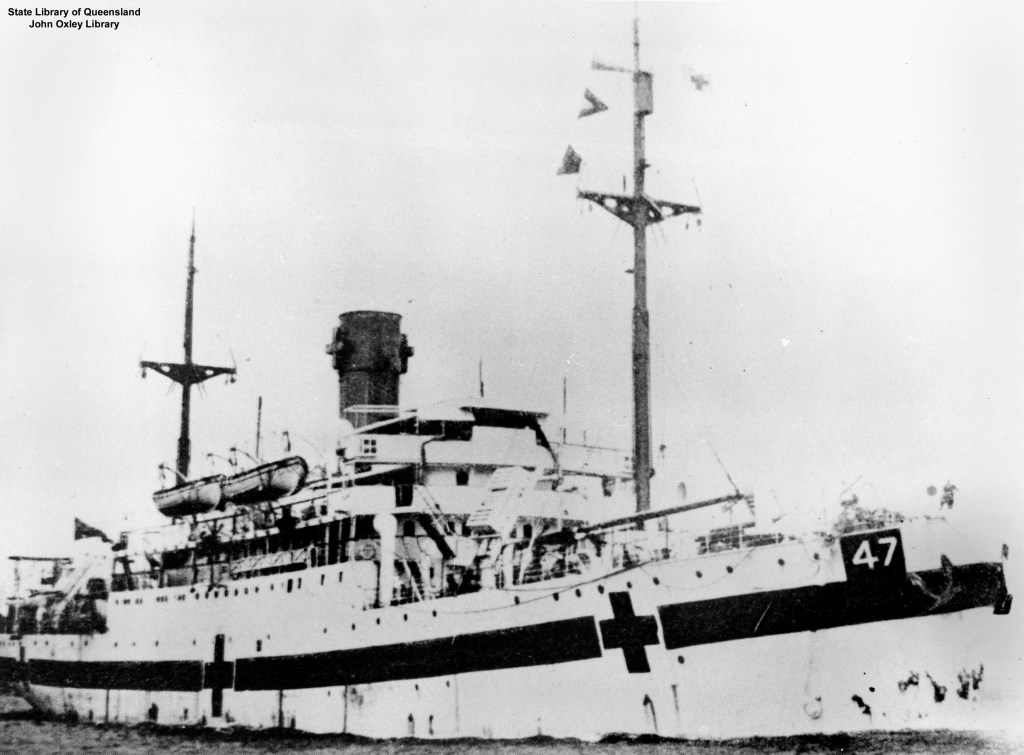
    AHS Centaur. Photo Courtesy State Library of Queensland

    At 4 am on 14 May 1943, the Australian Hospital Ship (AHS) Centaur was torpedoed and sunk by a Japanese submarine.    The Centaur was about 35km off Moreton Island having departed Sydney with medical staff from the Army’s 2/12 Field Ambulance bound for Port Moresby.   In all, there were 332 people on board.   268 lost their lives.   64 survived by clinging to debris and two damaged lifeboats until they were rescued 36 hours later.

    TWO: CYCLONE MAHINA, 1899

    Cyclone tracks for Cyclone Mahina.

    On the night of 4/5 March 1899, a powerful cyclone crossed the coast at Bathurst Bay on Cape York Peninsula. Lying directly in its path was the North Queensland pearling fleet which had sought shelter there.     Nearly 60 vessels – from large schooners to pearling luggers – were sunk or driven ashore with horrendous loss of life.    Between 300-400 people died in what is no doubt Queensland’s worst natural disaster.    The loss was most keenly felt on Thursday Island where the pearling fleet was based.

    ONE: GRIMENEZA, 1854

    Artists impression of the Grimeneza . Image Courtesy SLQ

    The worst shipwreck off the Queensland coast occurred on 3 July 1854.   The Peruvian ship Grimeneza was sailing from China with some 600 Chinese labourers bound for the Callao guano mines in Peru.   When they struck a reef at Bampton Shoals in the Coral Sea, the captain and six others immediately abandoned the ship leaving the rest of the crew and the passengers to their fate.  The rest of the crew tried to back the ship off, but when that failed, they too took to the lifeboats and were picked up 12 days later.   Miraculously, the Grimeneza floated off with the next high tide.   The labourers sailed the damaged ship west towards the Queensland coast with the pumps being worked around the clock.   But after three days of exhausting work, she foundered.   Six men were found clinging to a piece of wreckage 300 km off the coast a few days later.   The rest had all drowned or been taken by sharks.

    © Copyright, C.J. Ison / Tales from the Quarterdeck, 2024.

    If you would like to be notified of future blog posts, please enter your email address below.

  • Surviving the Centaur sinking.

    A poster urging Australians to “Avenge the Nurses” after the sinking of the Centaur in 1943. Image courtesy Australian War Memorial.

       On a quiet Saturday afternoon on 15 May 1943, the senior Royal Australian Naval officer in Brisbane received a message reporting that a USN destroyer had picked up survivors from the Australian Hospital Ship (AHS) Centaur. This was the first anyone knew of the tragedy that had unfolded a short distance off the Queensland coast.

       The Centaur left Sydney bound for Port Moresby to pick up sick and wounded diggers and return them to Australia. Fighting had been raging in New Guinea for over a year, and casualties had been high. As she steamed north this time, she had a full crew, and she was also delivering members of the 2/14th Field Ambulance to Port Moresby. In all, there were 332 souls on board.

       Around 4 a.m. on Friday, 14 May, the Centaur was about 30 nm (55 km) off Moreton Island when she was struck by a torpedo fired by a Japanese submarine. Merchant seaman Alfred Ramage had just finished his watch and was climbing into his bunk when he was rocked by the powerful explosion. Ramage immediately knew what had happened, so he quickly donned his lifebelt and began making his way to the boat deck. Urgency spurred him along, for he had never learned to swim.

       The torpedo had hit the portside fuel bunker, which sent flames ripping through the ship, burning and trapping many people below decks. Those same flames soon engulfed the boat deck and then the bridge as the crew struggled to get the lifeboats away.    Steward Frank Drust was standing outside the ship’s pantry when the floor collapsed and a wall of flames separated him from the closest companionway leading to the deck. By now, the Centaur was sinking by the bow. He waded through swirling waist-deep water and eventually made it onto the deck. He and a few comrades began throwing hatch covers and life rafts over the side to help those already floundering in the water. They continued their efforts until they, too, were washed off their feet as the sea rose around them.

    AHS Centaur. Photo Courtesy State Library of Queensland

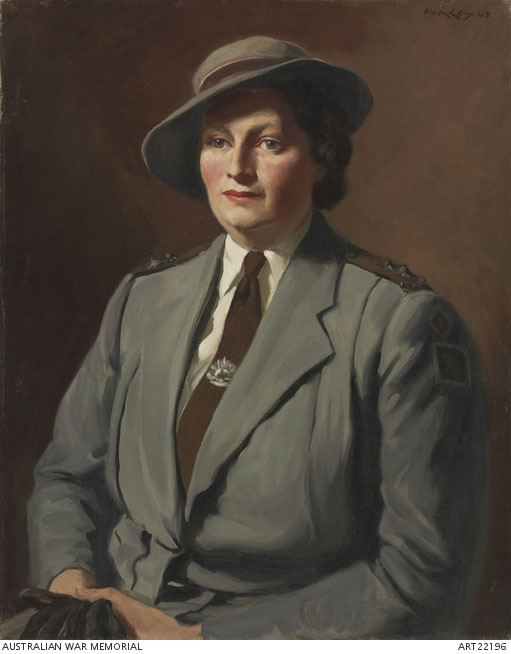
        Sister Ellen Savage, one of 12 nurses on board, was woken by the loud explosion reverberating through the ship. She and fellow nurse Merle Morton fled their cabin in their pyjamas and were told by their commanding officer to get topside as quickly as they could. They had no time to retrieve warm clothing or anything else from their cabin before they took flight.

       By the time they reached the deck, the Centaur was already sinking. The suction dragged Ellen Savage down into a maelstrom of whirling metal and timber, cracking her ribs, breaking her nose and bruising her all over. But suddenly, she found herself back on the surface in the middle of a thick oil slick. She never saw her cabinmate or her commanding officer again.

       Savage could see a large piece of wreckage a short distance away and swam for it. It turned out to be a portion of the ship’s wheelhouse where several others had already taken refuge. In time, as many as 30 survivors climbed onto the fragile floating island. Others who had escaped the ship kept themselves afloat on pieces of debris or the few rubber liferafts that had been deployed in the hectic minutes after the torpedo struck.

    Sister Ellen Savage GM. Image courtesy AWM.

          Ship’s cook Frank Martin survived by clinging to a single floating timber spar. For the next 36 hours he held on for dear life, half-naked and nothing to eat or drink until he was plucked from the water.

       Seaman Matthew Morris was a little luckier. At first, he found himself alone in the water, blinded by salt and oil. But when his vision returned, he spied a small raft a short distance away, so he swam over and climbed into it. Then he spotted his mate, Walter Tierney, and hauled him onboard. As daylight came, the pair saw something floating in the distance and paddled towards it. It turned out to be the wheelhouse, so they lashed their raft to it and joined the 30 or so people already there.

       The survivors spent all that day huddled on the makeshift raft. There was less than 10 litres of water on hand, and that was doled out sparingly. Several of the survivors had severe burns to their bodies. One was Captain Salt, a pilot from the Torres Strait Pilot Service, who had run through a wall of flame to escape the sinking ship. Despite his painful injuries, he kept morale up, reassuring everyone that help would soon be on the way.

       Matthew Morris led choruses of “Roll out the Barrel,” “Waltzing Matilda,” and other wartime favourites to keep people from thinking about their plight. Sister Savage tended to the wounded with what little she had on hand, never complaining of her own injuries. She kept her broken ribs to herself until after they had all been rescued.

       One poor man, Private Jack Walder, had been badly burned. He drifted in and out of consciousness until he passed away on the raft. Savage prayed over his body before it was gently pushed away to sink from sight.

    The Brisbane Telegraph front page, 18 May 1843.

        According to several survivors, sharks were constant and unwelcome companions, circling as they clung to wreckage or perched precariously on makeshift rafts.

       The survivors spent all of Friday, Friday night and Saturday morning hoping and praying that they would soon be rescued. Several said they heard aircraft flying overhead or saw ships passing in the distance, but the Centaur survivors went undiscovered. At one stage, those on the wheelhouse considered dispatching one of the rubber rafts to try to make landfall to raise the alarm. However, that idea was eventually discarded when it was decided that the chances of surviving the large ocean swells in the small craft were unlikely.    On Friday night, the Japanese submarine surfaced briefly near the wheelhouse, sending a chill through the survivors. Everyone remained quiet, and a short time later, the sub disappeared below the waves again. The survivors never gave up hope of being rescued. Then, on Saturday afternoon, an Australian Air Force aircraft on a routine flight saw something strange floating in the water. On investigation, the pilot realised it was wreckage and guided the US Navy destroyer, USS Mugford, to the location. They quickly began searching the surrounding waters for more survivors.

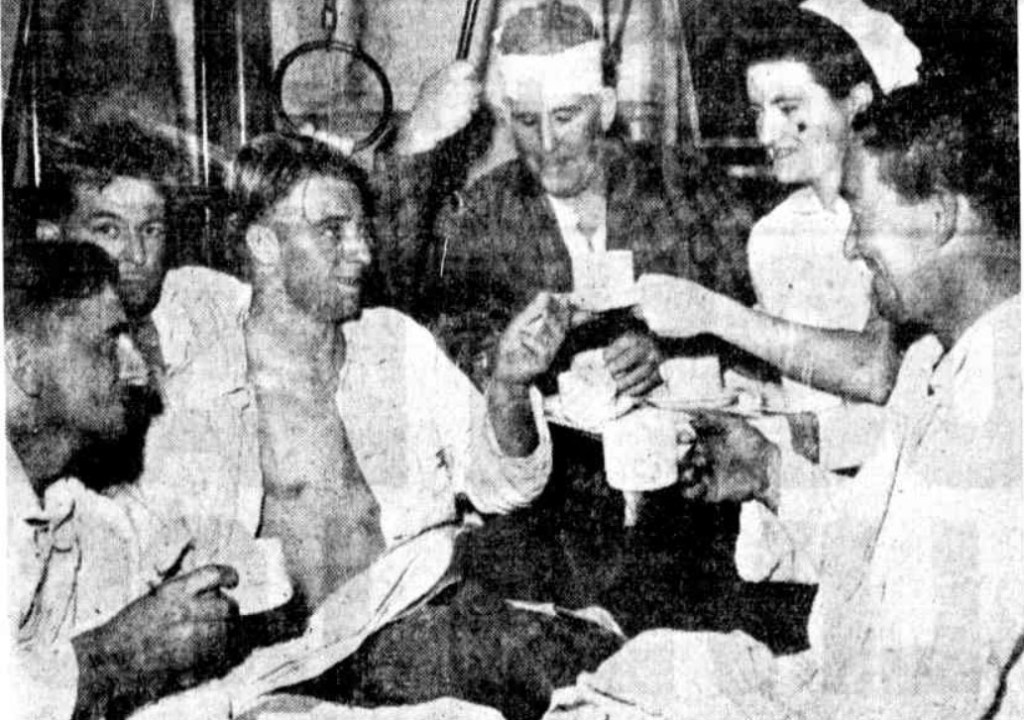
    AHS Centaur survivors being cared for in hospital. Telegraph, 18 May 1943, p. 2.

       In all, 64 people were saved, but another 268 were not so lucky. Sister Ellen Savage was awarded the George Medal for her devotion to duty, tending to the wounded despite her own injuries.

    Lest We Forget.

    © Copyright C.J. Ison / Tales from the Quarterdeck, 2023.

    To be notified of future blogs, please enter your email address below.